
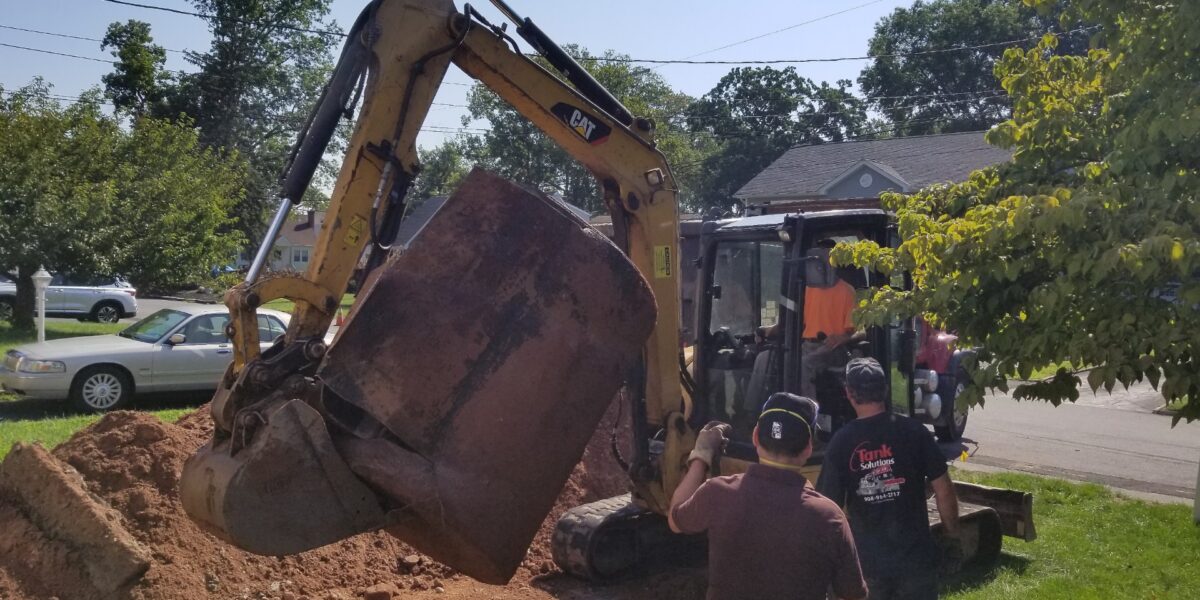
What Should I Do With My Old Oil Tank When Converting to Electric Heating?
April 1, 2026
Switching from oil heat to electric is a smart move for many homeowners in Union, NJ who want to improve efficiency and reduce maintenance. But once your new system is installed, one important question remains: what should you do with your old oil tank?
We recently spoke with a homeowner who was upgrading their home’s heating system and had two unused oil tanks sitting in the basement. Even though the tanks were in good condition, they still needed proper oil tank removal before the renovation..
Why Can’t You Just Leave an Old Oil Tank in Place?
It might be tempting to leave an unused oil tank where it is, especially if it is no longer connected. However, this can lead to several issues over time including:
- Oil leaks and contamination: Even unused tanks can develop corrosion and eventually leak, causing environmental damage.
- Odors and indoor air concerns: Residual oil can produce strong smells inside your home.
- Complications during home sale: Many buyers and inspectors flag abandoned oil tanks as a liability.
- Insurance concerns: Some policies may not cover damage related to old or unused oil tanks.
Because of these risks, most homeowners choose to have their tanks professionally removed or decommissioned.
What Are Your Options for an Old Oil Tank?
When converting to electric heating, you typically have two main options depending on your situation.
- Full Oil Tank Removal
This is the most common and recommended solution. The tank is:
- Pumped to remove any remaining oil
- Cleaned to eliminate sludge and residue
- Cut and removed from the property
This option completely eliminates future risk and is often preferred during renovations.
- Oil Tank Abandonment (Decommissioning)
In some cases, especially with underground tanks, the tank may be left in place but properly decommissioned. This involves:
- Draining and cleaning the tank
- Filling it with an inert material like sand or foam
However, this is less common for indoor basement tanks, where removal is usually more straightforward and beneficial.
Do You Need to Empty the Oil Tank First?
Yes, oil tanks must always be emptied before removal or decommissioning. This is what happens to the remaining oil:
- Usable oil may be pumped out and reused or transferred
- Sludge and waste are safely disposed of according to environmental regulations
Proper handling is critical because heating oil is considered a regulated substance. The EPA emphasizes proper storage and disposal of petroleum products to prevent soil and groundwater contamination.
How Is an Oil Tank Removed From a Basement?
Removing an oil tank from a basement is a controlled process that requires specialized equipment and expertise. Check these steps:
- Inspection and preparation to assess size, access, and condition
- Pumping out remaining oil
- Cleaning the tank interior to remove residue
- Cutting the tank (if needed) for safe removal through doors or stairs
- Transporting and disposing of the tank at an approved facility
Even if the tank looks clean or unused, professional handling ensures safety and compliance with local regulations.
Do You Need a Permit for Oil Tank Removal?
In many areas, yes. Permit requirements vary by municipality, but they often include:
- Approval before removal begins
- Inspection after removal is completed
- Documentation of proper disposal
Local and state environmental agencies regulate oil tank removal to reduce the risk of contamination.
Working with an experienced company helps ensure all permits and inspections are handled correctly.
How Long Does Oil Tank Removal Take?
The timeline depends on factors like tank size, accessibility, and permitting.
- Simple basement tank removal: Often completed in one day
- Permits and scheduling: May take a couple of weeks depending on local requirements
- Multiple tanks or complex access: May require additional time
Planning ahead during your heating system conversion helps avoid delays in your renovation.
Is It Worth Removing a Tank That’s Still in Good Condition?
Yes. Even if your oil tank appears to be in excellent shape, it is no longer serving a purpose once you switch to electric heating.
Leaving it in place:
- Adds unnecessary risk
- Takes up valuable space
- Can complicate future home improvements or resale
Removal is typically the safest and most practical long-term solution.
Book Your Oil Tank Removal Today
If you are converting to electric heating in Union, NJ, your best next step is to have your oil tank evaluated by a local professional. In most cases, complete removal is the safest and most beneficial option for your home, helping you avoid potential environmental risks, meet New Jersey regulations, and ensure your property is ready for future resale or renovation.
At Tank Solutions, we help homeowners safely remove old oil tanks, handle any remaining oil, and ensure everything is done according to local regulations. If you are planning a heating upgrade or have an unused oil tank in your home, contact us today to request a quote.