
What Happens When an Underground Oil Tank Is Found During a Home Inspection?
January 1, 2026
When an underground oil tank shows up during a home inspection in Kenilworth, NJ, it often catches homeowners off guard. Whether you are selling, buying, or refinancing, a buried oil tank can raise questions about safety, environmental risk, and what steps are required next. Understanding what typically happens helps you stay in control of the situation and avoid unnecessary delays or stress.
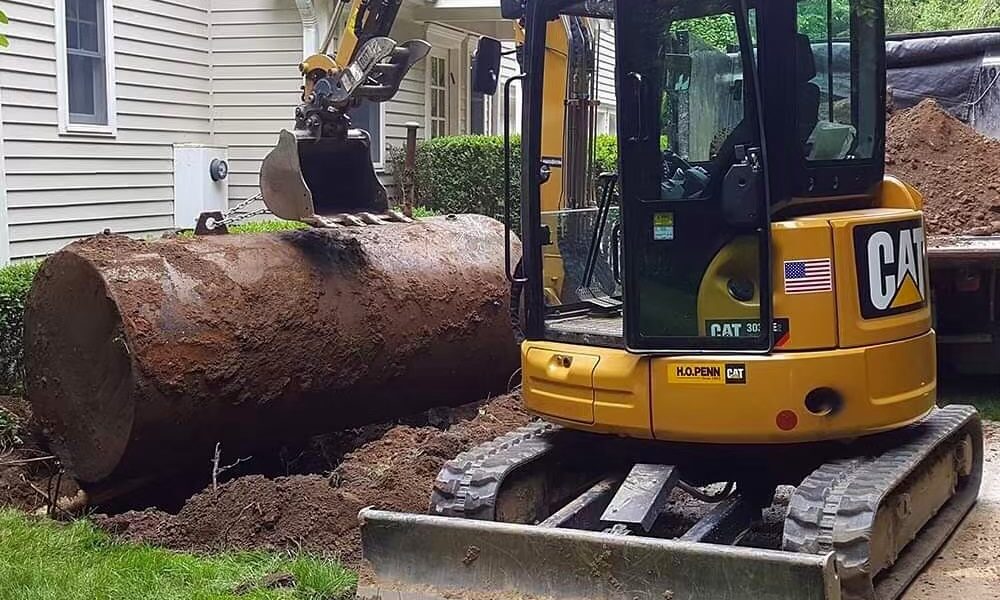
During one recent inspection, a homeowner learned about a buried oil tank only after a routine tank sweep uncovered a metal tank along the side of the home. The discovery did not mean the sale was over, but it did mean the tank needed to be addressed before moving forward.
Why underground oil tanks are flagged during inspections
Home inspectors and buyers are cautious about underground oil tanks because of the potential for leaks and soil contamination. Even tanks that are no longer in use can corrode over time. If oil escapes into the surrounding soil, cleanup can be expensive and legally required.
Inspectors do not determine whether a tank has leaked. Their role is to identify the presence of the tank and note it as a risk that needs further evaluation.
What usually happens after a tank is discovered
Once an underground oil tank is found, the next steps are fairly consistent across most situations.
First, the tank must be evaluated. This usually involves confirming its location, size, and whether it was previously decommissioned. A tank that was filled with sand or foam years ago may still need to be removed, depending on local requirements and the condition of the tank.
Next, local authorities typically get involved. Most towns require permits for underground oil tank removal, even if the tank was already taken out of service decades ago. Municipal records do not always eliminate the need for a new permit.
Finally, the tank is either removed or further investigated. Removal allows the inspector to visually confirm the condition of the tank and surrounding soil.
Does finding a tank automatically mean contamination?
No. Many underground oil tanks are removed without any signs of leakage. However, contamination cannot be ruled out until the tank is exposed and inspected. Older tanks that were not properly cleaned before being filled are more likely to present issues.
If contamination is found, additional remediation may be required. If no contamination is present, the process usually ends with documentation from the town confirming the tank was properly removed.
How a discovered oil tank affects a home sale
When a tank is found during a home inspection, buyers and lenders often require it to be addressed before closing. Leaving the tank in place can delay or stop a transaction entirely.
Removing the tank and obtaining proper documentation typically restores buyer confidence. Many sellers choose to handle removal proactively to avoid renegotiations or last-minute complications.
What documentation homeowners should expect
After an underground oil tank is removed and inspected, the town typically issues a certificate or approval letter confirming the work was completed and no environmental issues were found. This document becomes an important part of the property record and is often requested by buyers, attorneys, or lenders.
Is it better to remove the tank even if you are not selling?
In many cases, yes. Even if you are not planning to sell right away, removing an underground oil tank eliminates future risk. It also prevents surprises during a future inspection and protects the long-term value of the property.
What homeowners should do next
If an underground oil tank is discovered during a home inspection, the most important step is to act quickly and gather accurate information. At Tank Solutions, we help homeowners evaluate underground oil tanks promptly and clearly, so there is less uncertainty and fewer surprises. The sooner the tank is properly assessed, the easier it is to keep your plans on track.
If you have questions about an underground oil tank in Kenilworth, NJ or need help understanding your options, we can help. Contact us to schedule an inspection or request a quote so you can move forward with confidence.