What Should I Do If an Underground Oil Tank Was Removed Without a Permit Before I Buy a Home?
July 1, 2026
If you discover that an underground oil tank was removed without a permit before you purchase a home, do not close it until you have soil testing completed, documentation reviewed, and a licensed environmental professional assess the site. An unpermitted removal creates serious liability risks for the buyer, including potential contamination you could inherit.
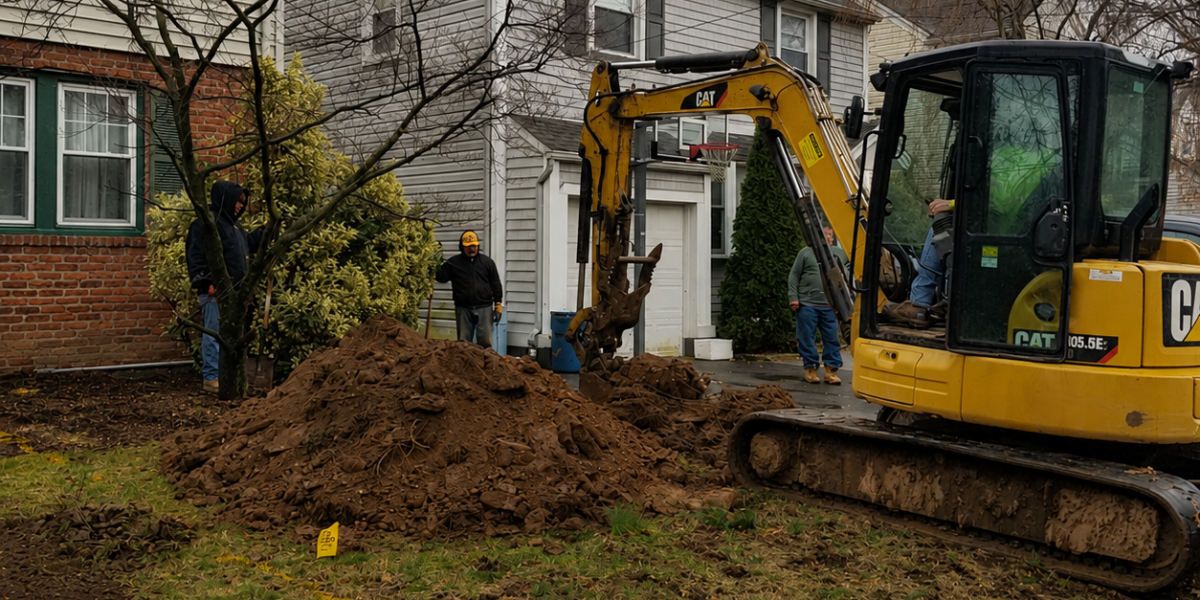
A prospective homebuyer in Roselle, NJ, recently called us after discovering that the underground oil tank at a property they were under contract to purchase had been removed without any permit on file. Their home inspector had conducted a tank sweep and confirmed no tank was present, but two oil lines were still running out of the basement. That detail alone raised serious questions about how the job was done and whether the site was properly closed out.
At Tank Solutions, we handle these cases regularly, and we want to walk you through exactly what to know and what to do if you find yourself in the same position.
Why Does an Unpermitted Oil Tank Removal Matter So Much?
An unpermitted removal means there is no official record that the work was done correctly, safely, or at all. Without a permit, no inspector from the municipality signed off on the excavation, the tank condition, or the soil underneath. That leaves you, as the buyer, with zero documentation to rely on if problems surface after closing.
In New Jersey, underground storage tank removals require permits and are regulated by the NJDEP. When a homeowner or contractor skips that step, they are not just cutting corners on paperwork. They are bypassing the safeguards that exist to catch leaks, contaminated soil, and improper tank disposal before those problems become someone else’s legal and financial responsibility.
If you close on a home with an unresolved unpermitted removal, you may inherit cleanup costs that run into the tens of thousands of dollars.
What Do the Leftover Oil Lines Actually Tell You?
Oil supply lines left behind after a tank removal are a red flag that the job was likely rushed or incomplete. A properly decommissioned tank site should have all associated piping removed or properly abandoned and sealed. Finding two lines still running from the basement to where the tank used to be suggests the contractor either did not finish the job or did not follow standard removal procedures.
Should You Get Soil Testing Done Before You Close?
Yes, absolutely, and we would not recommend closing without it. Soil testing services are the only way to objectively determine whether the ground around the former tank location has been contaminated by a petroleum release. If there was a leak during or before the removal, that contamination does not disappear just because the tank is gone.
The seller should be responsible for ordering and paying for this testing. If the seller is resistant, that itself is a warning sign worth taking seriously. Your real estate attorney needs to be involved in negotiating who pays for testing and what happens if contamination is found.
Here is what soil testing in this scenario typically involves:
- Collecting soil samples from the excavation area and surrounding zones
- Lab analysis for petroleum hydrocarbons and related contaminants
- A written report documenting the findings
- A recommendation for remediation if contamination levels exceed NJDEP standards
What Happens If Contamination Is Found?
If testing reveals contamination, the site will need to go through a soil remediation process before it can be considered clean. In New Jersey, this typically involves notifying the NJDEP, engaging a licensed remediation professional, and following an approved cleanup plan. This process can take months and can cost anywhere from a few thousand dollars to well over $50,000 depending on the extent of the contamination.
The key question is: who is responsible for paying? In a real estate transaction, this needs to be negotiated and put in writing before you close. Do not assume the seller will cooperate without legal documentation requiring them to do so.
Our environmental consulting team can assess the site, review what documentation exists, and give you a clear picture of what you are dealing with before you make a decision about the purchase.
Frequently Asked Questions
Can I still buy the home if the oil tank was removed without a permit?
Yes, but you need to proceed very carefully. Buying the home without resolving the permit issue and completing soil testing puts you at risk of inheriting environmental liability. Work with your real estate attorney to make the sale contingent on the seller addressing the unpermitted removal and providing clean soil test results before closing.
Who is responsible for cleaning up contamination from an unpermitted tank removal?
Before closing, the responsibility lies with the seller. After closing, it generally becomes the new owner’s problem unless there is a written agreement stating otherwise. This is why resolving these issues before you sign is so critical. Never assume a verbal commitment will hold up after the transaction is complete.
Does the NJDEP need to be notified about an unpermitted tank removal?
In many cases, yes. If contamination is discovered, NJDEP notification is typically required by law. Even if no contamination is found, working with a licensed professional to properly close out the site and retroactively document the work is strongly advisable. An environmental consultant can guide you through what disclosures are required based on your specific situation.
How long does soil testing take after an oil tank removal?
The physical sampling process usually takes just a few hours on site. Lab results typically come back within one to two weeks depending on the testing facility and the level of analysis required. Plan for at least two weeks from the time you engage a contractor to when you will have a written report in hand.
Do Not Let an Unpermitted Removal Become Your Problem
Buying a home is one of the biggest financial decisions you will make. Discovering that an underground oil tank was removed without a permit before you close is a serious red flag, but it is also a solvable problem if you handle it the right way. Soil testing, proper line removal, and working with an experienced environmental professional can give you the clarity you need to move forward, or walk away.
If you are a homebuyer in Roselle, NJ or anywhere in the surrounding area and you are dealing with this situation, we are here to help you figure out your next step. Contact us to speak with our team about your options, and do not close on a property until you have the answers you need.