
Can You Remove an Underground Oil Tank That Was Already Cleaned and Sand-Filled Decades Ago?
August 1, 2026
Yes, a sand-filled underground oil tank can absolutely be removed, even if it was decommissioned decades ago. The process is similar to a standard underground tank removal, though a few extra steps may apply depending on your municipality’s current permit requirements and the condition of the tank after years in the ground.
A homeowner in Plainfield, NJ recently called us about an underground oil tank that had been professionally cleaned and sand-filled over 30 years ago, with a township inspection certificate to prove it. They wanted to know whether all that old paperwork still mattered and what the removal process would actually look like today. It’s a great question, and one we hear more often than you might think.
At Tank Solutions, we handle these situations regularly across New Jersey. Here’s what you need to know.
Does Old Paperwork from a Previous Decommissioning Still Count?
It can help, but it may not be enough on its own. If you have a certificate showing the tank was cleaned, inspected, and filled with sand, that documentation is genuinely valuable. Bring it with you when you check with your municipality.
That said, many townships in New Jersey now require a new permit before any tank removal, regardless of prior work done on it. Some towns will honor older certificates. Others won’t. The only way to know for sure is to contact your local building or construction department directly before scheduling any work.
We always recommend checking with the town first. If they need a permit, we factor that into the project. It’s usually a straightforward process.
Does Sand-Fill Change How the Tank Is Removed?
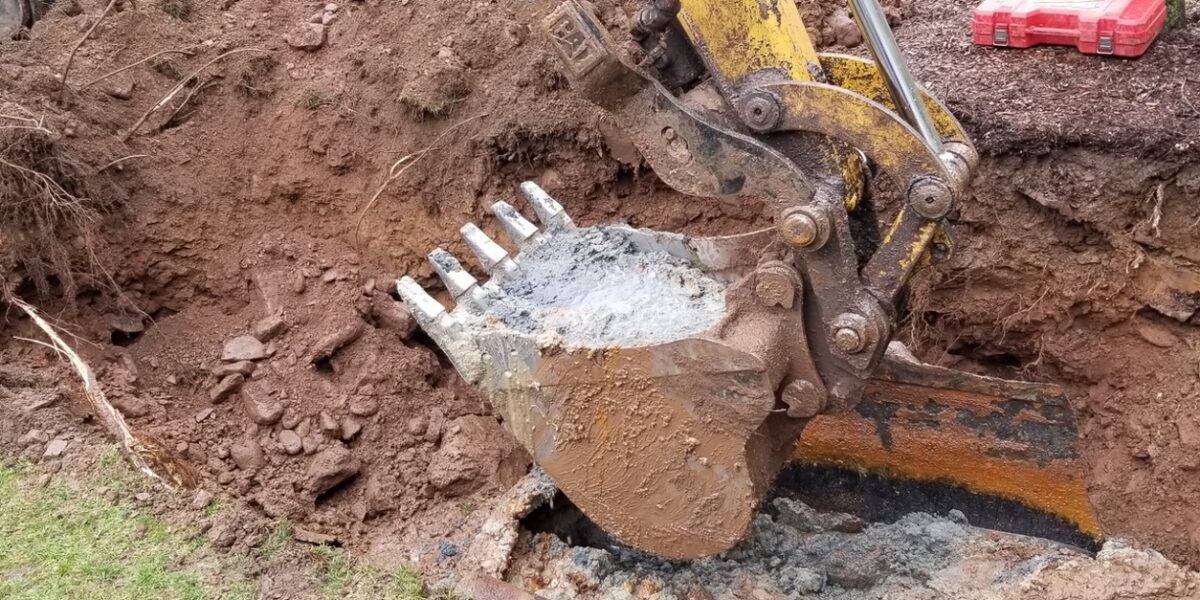
Not significantly, but it does affect the weight and excavation approach. A tank filled with sand is considerably heavier than an empty one. Our crew accounts for that when positioning the excavator and planning the dig.
Here’s what the general process looks like for a sand-filled underground tank removal:
- We access the tank by excavating the soil above it
- The sand fill is removed from the tank before it can be lifted safely
- The tank is extracted and properly transported off-site for disposal
- The excavated area is backfilled and graded
To protect your lawn and landscaping, we use heavy-duty ground protection pads under the excavator. It’s not perfect, but it makes a real difference in reducing surface damage.
What If There’s Still Residual Contamination After All These Years?
Even a properly cleaned and sand-filled tank can leave behind trace contamination in the surrounding soil. This is especially true if the tank developed any corrosion or minor leaks over the decades before or after it was decommissioned.
During removal, we visually assess the soil around the tank. If anything looks or smells off, we can arrange for soil testing to determine whether any remediation is needed. Catching this early protects you, your property value, and any future buyers.
Our experienced environmental team has seen all kinds of site conditions. We know what to look for and how to handle it if something unexpected comes up.
Does the Tank Location in Your Yard Matter?
Yes, the location affects how we plan access for the excavator. A tank in an open backyard is the most straightforward scenario. We need enough clearance on at least one side to maneuver the machine in and out safely.
Things like fencing, pavers, large shrubs, or tight side yards can complicate access. It’s always worth describing your yard layout when you call, so we can come prepared with the right equipment and approach. Learn more about what goes into a full underground oil tank removal on our service page.
Frequently Asked Questions
Do I need a permit to remove a tank that was already decommissioned with township approval?
Possibly, yes. New Jersey municipalities set their own rules, and many now require a removal permit even if the tank was previously inspected and certified. Check with your local construction office before scheduling the work.
What happens to the sand that’s inside the tank?
The sand is excavated out of the tank as part of the removal process and disposed of properly along with the tank itself. It’s factored into the scope of the job, not an added surprise.
How do I know if my old tank caused any soil contamination?
Visual inspection during excavation is the first step. If there are signs of a problem, soil testing will confirm whether contamination is present and at what levels. We can walk you through that process if it becomes necessary.
Ready to Move Forward in Plainfield, NJ?
If you have an old sand-filled underground oil tank and you’re not sure what happens next, we’re here to help. Homeowners across Plainfield, NJ and throughout New Jersey trust us to handle these removals cleanly, professionally, and without unnecessary surprises.
Give us a call or contact us online to tell us about your tank and get a current quote. We’ll let you know exactly what to expect.