
Can You Remove a Basement Oil Tank That Still Has Oil in It?
August 15, 2026
Yes, a basement oil tank can be removed even if it still has oil in it. A licensed contractor will pump out the remaining fuel before cutting and removing the tank. The oil can often be transferred to another tank or disposed of properly. You should never attempt this on your own — it requires permits, certified technicians, and the right equipment.
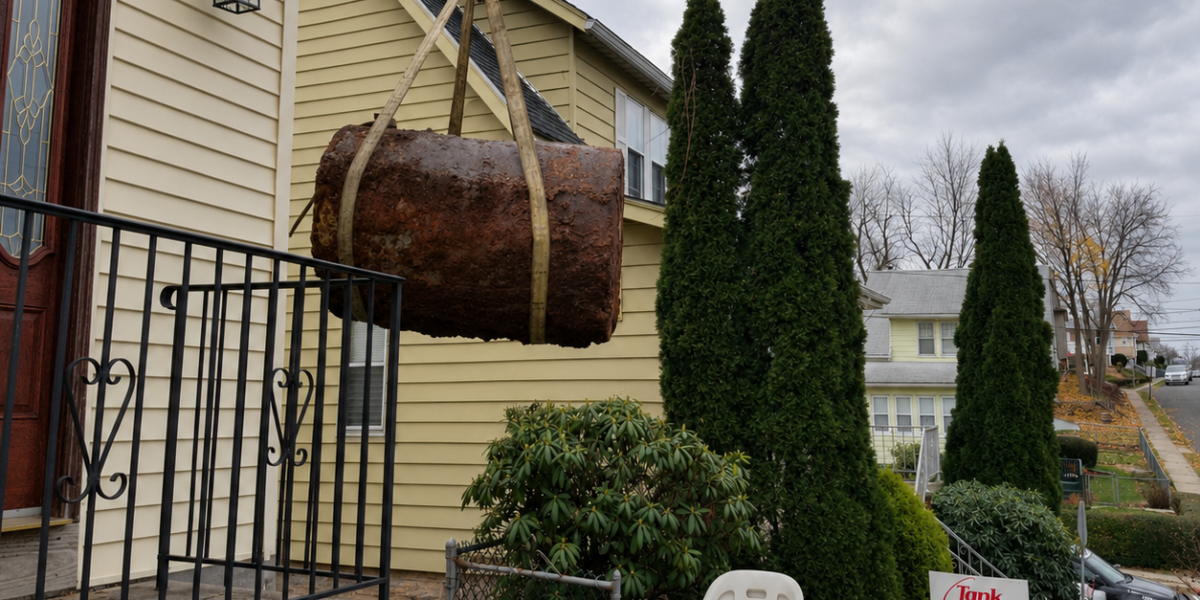
We recently spoke with a homeowner in Summit, NJ, who was planning a full renovation and discovered their basement still had a partially filled oil tank. The heater had stopped working months earlier, but the tank had been filled just before that, leaving a significant amount of oil sitting inside. They were ready to demo the house and needed the tank out fast.
This situation is more common than you might think. At Tank Solutions, we handle basement tank removals like this regularly, and there are a few key things every homeowner should understand before the work begins.
What Happens to the Oil That’s Still in the Tank?
Before any cutting or removal starts, the remaining oil has to come out. We use a pump to extract the fuel from the tank. Depending on how much is left, the oil may be transferred to a temporary container or coordinated for disposal through a licensed waste oil handler.
You should not try to drain the tank yourself. Heating oil spills create environmental liability, and improper disposal can result in fines. The process needs to be handled by someone with the proper certifications and equipment.
Does a Basement Tank Removal Require a Permit in New Jersey?
Yes, in New Jersey a permit is required to remove an oil tank, whether it is above ground or underground. This applies to basement tanks as well. The permit protects you legally and ensures the removal is documented, which matters a great deal when you go to sell the property.
Our team handles the permit process as part of the job. You do not need to figure out the paperwork on your own. Learn more about how we approach this on our environmental consulting and compliance page.
What If the Tank Is Too Big to Fit Through the Door?
If the tank cannot be moved through the doorway intact, we cut it into sections on-site. This is standard practice for basement oil tanks. Heating oil tanks were often installed before interior walls and doorways were finished, so getting them out whole is rarely possible.
Cutting the tank is safe when done by trained professionals using the right tools and following proper safety protocols. We make sure the area is ventilated and clear before we begin. The pieces are then removed, and the tank is disposed of at a licensed facility.
What Should You Do Before Scheduling a Basement Tank Removal?
Start by gathering a few key details so your contractor can give you an accurate quote and timeline. Here is what helps us prepare:
- Whether the tank is currently holding oil and an estimate of how much
- The size and approximate age of the tank if you know it
- Whether the tank is accessible or behind a wall, in a crawl space, or in another tight area
- Your renovation timeline so we can work around your general contractor
The more we know upfront, the smoother the job goes. You can learn more about the full oil tank removal process on our service page.
Frequently Asked Questions
Can I switch from oil to gas without removing the old tank?
Technically you could leave the tank in place temporarily, but it is not recommended. An unused tank that still contains residual oil can corrode over time and create an environmental hazard. Most municipalities in New Jersey require decommissioning or full removal when the tank is taken out of service.
How long does a basement oil tank removal typically take?
Most basement removals are completed in a single day. The exact time depends on tank size, how accessible it is, and how much oil needs to be pumped out first. Reach out to us for a better sense of what your specific job involves.
Will I need a soil test after the tank is removed?
In many cases, yes. New Jersey regulators often require a soil sample to confirm there was no leakage around or beneath the tank. This protects you and satisfies any requirements tied to permits or future property sales.
Schedule Your Oil Tank Removal Today
If you are planning a renovation or home sale in the Summit, NJ area and need a basement oil tank removed, do not wait until demo day to figure out the details. Contact us to get a quote and find out how quickly we can get you scheduled.