
How Long Does Underground Oil Tank Removal Take?
June 1, 2026
Finding an underground oil tank on your Roselle Park, NJ property can quickly turn into a major concern, especially when you are buying or selling a home. One of the first questions homeowners ask is how long the removal process will take. Underground oil tank removal timelines often depend on permit approvals, tank accessibility, and whether contamination is found during excavation. Tanks buried under porches, driveways, or additions can also add time to the project because of the extra care and planning required for safe removal.
We recently spoke with a homeowner purchasing an older property who was concerned about a possible underground oil tank located beneath a front porch. Their biggest concern was understanding how permits, inspections, and limited access could affect the overall timeline before closing on the home.
What Is the Typical Timeline for Underground Oil Tank Removal?
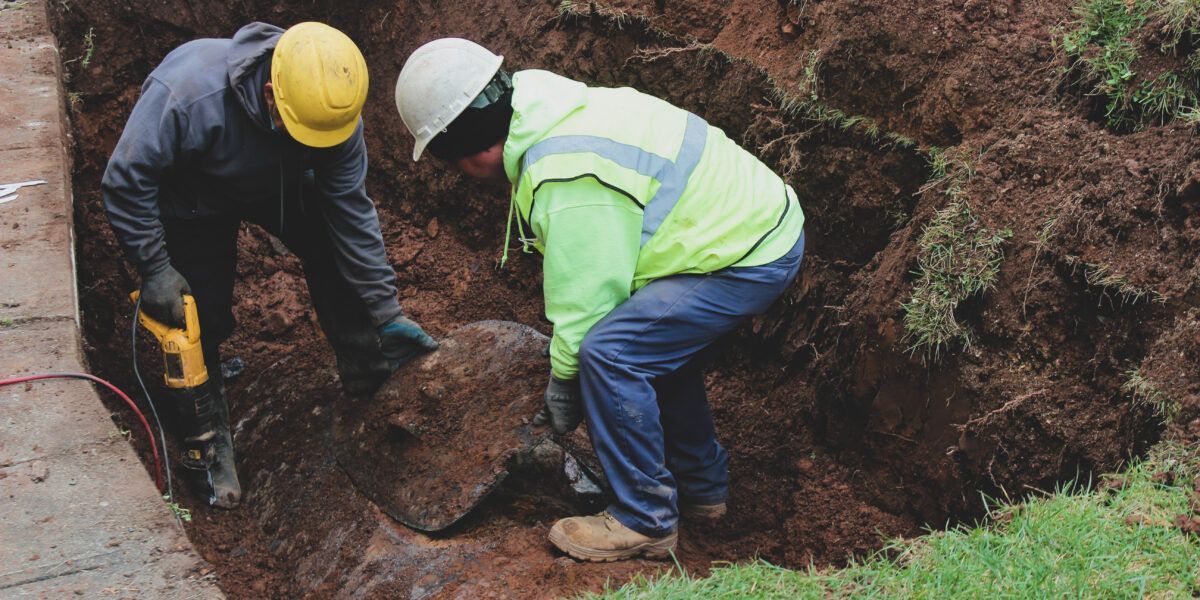
In many cases, the actual physical removal of an underground oil tank only takes one to two days. However, the full process usually takes longer because of inspections, permits, scheduling, and possible environmental testing.
A typical underground oil tank removal project may include:
- Tank location confirmation
- Site inspection
- Permit application and approval
- Tank excavation and removal
- Soil inspection and testing
- Cleanup or remediation if contamination is found
- Final documentation and permit closure
For many homeowners, the entire process can take anywhere from two to six weeks depending on local permitting offices and site conditions.
Why Do Permits Affect Oil Tank Removal Timelines?
Most towns and municipalities require permits before underground oil tanks can be removed. Permit timelines vary significantly depending on the local building department and environmental regulations.
Some municipalities issue permits within a few days, while others may take several weeks. In many areas, towns are legally allowed a set review period before issuing permits. Permit requirements often include:
- Site plans
- Tank details
- Contractor licensing information
- Environmental documentation
- Inspection scheduling
The U.S. Environmental Protection Agency recommends properly closing or removing unused underground storage tanks to help prevent leaks and soil contamination.
Can Underground Oil Tank Removal Be Completed in One Day?
Yes, some underground oil tank removals can be completed in a single day if:
- The tank is easy to access
- No structures block excavation
- The tank is relatively small
- Soil contamination is not present
- Permits have already been approved
However, more complicated removals may require additional time.
What Makes Underground Oil Tank Removal Take Longer?
One of the biggest factors affecting removal time is accessibility. Tanks located beneath porches, decks, driveways, garages, or home additions are more complicated to remove safely.
These situations often require:
- Specialized excavation methods
- Structural protection
- Partial demolition or removal of obstacles
- Smaller equipment or hand digging
- Additional safety precautions
When a tank is located under a structure, we usually perform a detailed site inspection first to determine the safest removal strategy.
Does Soil Contamination Increase the Timeline?
Yes. If the tank has leaked oil into the surrounding soil, the project timeline can increase substantially.
Signs of contamination may include:
- Oil odors around the property
- Stained soil
- Failed soil tests
- Corroded or damaged tanks
If contamination is found, environmental remediation may be required. This can involve soil removal, testing, and reporting to local environmental agencies.
The New Jersey Department of Environmental Protection notes that leaking underground storage tanks can pose environmental and financial risks if not addressed properly.
Does Tank Size Affect Removal Time?
Yes. Larger underground oil tanks generally require more excavation and disposal work. Residential tanks are commonly between 275 and 1,000 gallons, but older properties may contain larger systems.
Tank size can affect:
- Excavation scope
- Equipment requirements
- Disposal procedures
- Soil testing areas
- Permit documentation
Frequently Asked Questions About Underground Oil Tank Removal
How long does permit approval usually take for oil tank removal?
Permit approval timelines vary by town and county. Some permits are issued within days, while others may take several weeks depending on local requirements.
Can I buy or sell a home with an underground oil tank?
Yes, but buyers, lenders, and insurance companies often want the tank inspected or removed before closing.
Is removing an oil tank under a porch more expensive?
It can be. Limited access and structural considerations usually increase labor and equipment requirements.
What if the tank is abandoned but still buried?
Even abandoned tanks can create environmental risks if they corrode or leak. Many homeowners choose removal to avoid future liability.
Do all underground oil tanks leak?
No, but older steel tanks are more vulnerable to corrosion over time. Proper inspection helps determine the condition of the tank.
Schedule an Underground Oil Tank Inspection
If you suspect there may be an underground oil tank on your property in Roselle Park, NJ, or you need help understanding the removal process before buying or selling a home, our team at Tank Solutions is here to help. We provide underground oil tank inspections, tank removals, soil testing, and environmental services throughout Roselle Park and Union County to help homeowners protect their property and move forward with confidence.
Contact us today to schedule your underground oil tank removal.