
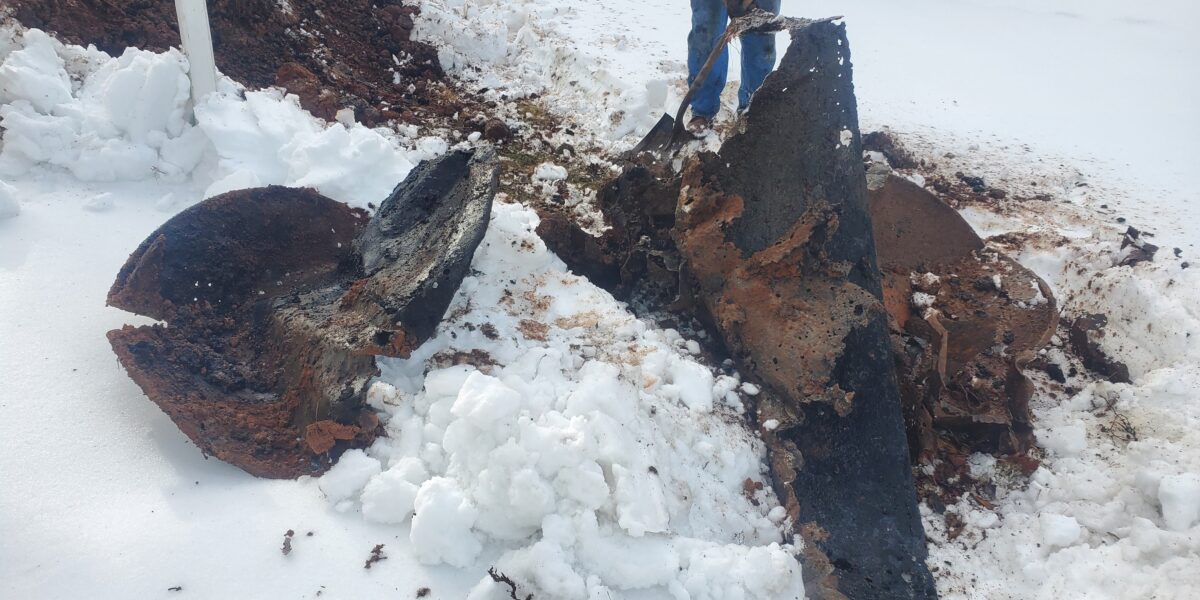
Can You Remove an Underground Oil Tank in the Winter If There Is Snow on the Ground?
March 1, 2026
In Westfield, NJ, winter weather does not automatically stop an underground oil tank removal, but snow and frozen ground can absolutely affect whether the work can be done safely. Many homeowners assume that if the permit is approved, the removal can proceed no matter the season. In reality, snow coverage creates safety and visibility concerns that must be addressed before excavation begins.
Recently, we spoke with a homeowner who had about two feet of snow covering the front lawn where the underground tank was located, and they were unsure whether the removal could still move forward under those conditions.
Can Underground Oil Tanks Be Removed During the Winter?
Yes, underground oil tanks can be removed in the winter. However, the property conditions must allow for safe excavation.
Oil tank removal requires heavy equipment, excavation of soil, and full visibility of underground utility markings. If snow is light and the ground is accessible, winter removal is often possible. But if there is significant snow accumulation or frozen ground, the job may need to be postponed.
Why Does Snow Prevent Oil Tank Removal?
Snow Can Cover Utility Markings
Before any digging begins, we are required to call for a utility mark out. This process identifies underground gas, electric, water, sewer, and communication lines.
Utility companies mark these lines using paint or flags on the ground surface. If snow covers those markings, we cannot visually confirm where utilities are located. Even if the mark out was performed, snow can make the markings impossible to see.
The Common Ground Alliance, a national organization focused on preventing underground utility damage, emphasizes that clearly visible utility markings are essential before excavation begins (Common Ground Alliance Best Practices Guide).
Snow Can Hide Surface Hazards
Snow does not just cover paint markings. It can hide:
- Landscaping features
- Walkways
- Irrigation components
- Hardscaping edges
- Drainage structures
Excavation equipment must have stable, visible ground conditions. Operating machinery over snow-covered surfaces increases the risk of property damage and unsafe footing.
Frozen Ground Makes Excavation Difficult
When soil freezes, it becomes significantly harder to excavate. Depending on frost depth, specialized equipment may be required. In some cases, frozen soil can slow the job and increase the risk of equipment strain or unsafe digging conditions.
According to the Federal Highway Administration, frost depth varies by region and can significantly impact excavation operations in winter months (FHWA Cold Regions Engineering Manual).
Can You Do a Utility Mark Out If There Is Snow?
Yes, a utility mark out can technically be performed in winter. However, if snow covers the surface afterward, the markings become useless for safe excavation.
Utility mark outs are typically valid for about 10 days, though this timeframe can vary by state. If removal is delayed beyond that window, a new mark out may be required before digging begins.
The 811 “Call Before You Dig” program explains that property owners and contractors must maintain visibility of markings and request remarking if they become unclear or disturbed (Call811.com).
Should You Wait Until Spring for Oil Tank Removal?
Not necessarily. Winter removal can be completed successfully if:
- Snow is cleared from the excavation area
- Utility markings remain visible
- The ground is accessible and safe for equipment
- Weather conditions allow stable working conditions
In some cases, waiting for snow to melt naturally may be the safest and most efficient choice. In others, removal can proceed with proper site preparation.
Frequently Asked Questions
Is it dangerous to dig if snow covers the lawn?
Yes, because snow can obscure underground utility markings and surface hazards. Excavation must be performed with clear visibility to prevent striking gas, electric, or water lines.
Does snow affect soil contamination testing?
It can. If soil sampling is required during removal, snow and frozen ground may complicate accurate testing and excavation.
Can frozen ground damage excavation equipment?
Frozen soil increases resistance and may require heavier equipment or additional time, which can affect project timing.
Will heavy snow automatically cancel my scheduled removal?
Not automatically. The site must be evaluated. If snow can be cleared and conditions are safe, removal may still proceed.
Schedule Your Underground Oil Tank Removal Today
In Westfield, NJ, underground oil tank removal can be performed during the winter, but snow coverage plays a critical role in determining whether the work can be completed safely. With Union County’s freezing temperatures and seasonal snowfall, clear visibility of utility markings and stable excavation conditions are absolutely essential. Before any digging begins, the ground surface must be visible and safe to ensure compliance with local regulations and to prevent damage to underground utilities.
If you are planning to remove an underground oil tank this winter, Tank Solutions can evaluate your property and determine whether site conditions are safe for excavation. Contact us today to request your free quote, and we will help you determine the safest path forward.