
Upgrade Your NJ Home: The Benefits of Modern Oil Tank Replacement
November 7, 2025
TL;DR:
If your New Jersey home still relies on heating oil, now’s the time to plan an oil tank replacement. Upgrading protects your property, boosts safety, and helps your heating system run more efficiently. In this blog, you’ll learn:
- Why old tanks corrode, leak, and cost more to maintain
- What happens during professional tank removal and installation
- How to choose between above-ground and underground tank setups
- The benefits of modern designs like steel tanks and concrete pads
- What to expect in terms of permits, timing, and cost
Tank Solutions has over 40 years of experience. We explain each step so you can replace your old oil tank safely and confidently.
———————
Many New Jersey homes still rely on heating oil. If your property has an aging tank, replacing it now can save you from costly repairs later. A new oil tank protects your home and improves safety. It also keeps your heating system running efficiently.
This guide covers why oil tank replacement matters. It explains how removal and installation work. You’ll also learn how to choose the right setup for your home.
Why Replace Your Old Oil Tank?
Old oil tanks can rust, corrode, or develop leaks over time. Even a small leak can cause environmental damage and expensive cleanup.
You might notice rust spots, bulges, or the faint smell of fuel oil near your furnace. Watch for higher bills, uneven heat, or delivery problems. These signs often mean your tank is starting to fail.
Replacing an old oil tank before it leaks saves you money and stress. It helps protect soil, foundations, and nearby structures. A new tank also keeps your home warm and safe through the winter. You avoid emergency call-outs and last-minute decisions in cold weather.
What Happens During Oil Tank Removal
Oil tank removal is a precise job that must meet state and local regulations. A professional contractor begins by locating the tank and checking its condition. They’ll remove any remaining fuel, clean the interior, and prepare the site for extraction.
After removal, the tank is sent for approved disposal. The team then checks the site for pollution. You will get an update at each stage, so you know what to expect.
If it’s an underground oil tank, cleanup and soil testing may be required. The contractor also files reports with the local fire department to confirm compliance. Once the area is cleared, you’re ready to install oil tank equipment safely.
Installing a New Oil Tank
When the old unit is gone, it’s time to install a modern oil tank that meets current safety standards. Modern tanks stop corrosion and leaks. They also keep heating oil stored safely and reliably.
Some tanks include double-wall designs and built-in leak detection. Your contractor can explain the pros and cons of each option in simple terms.
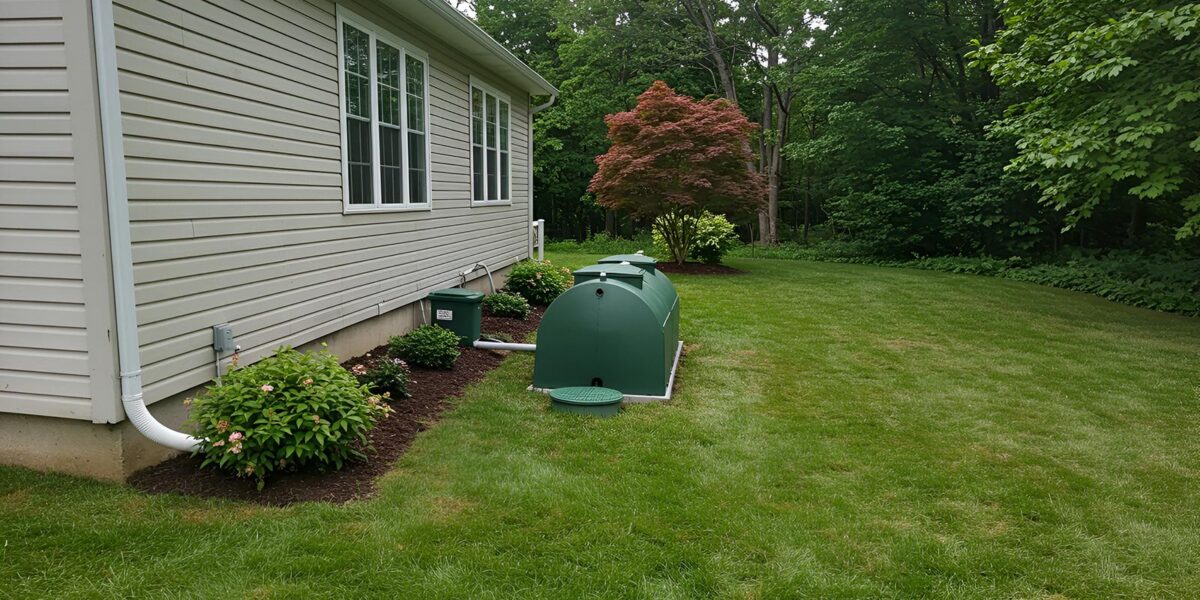
Before installation, your contractor helps choose the best location. Above-ground setups make inspections and maintenance easier. Most new tanks sit on a solid concrete pad for support. Each one uses secure fuel lines that connect safely to your furnace.
After installation, your new tank is tested for safety. The contractor also confirms it meets local code.
Choosing the Right Tank Setup
Not every home needs the same configuration. The right setup depends on your space, climate, and budget.
Many homeowners prefer steel tanks for their durability and long lifespan. Others choose indoor or outdoor tanks depending on available space. Above-ground tanks are easier to reach and inspect. Underground options save space but often need more maintenance.
Your installer recommends the best design for your home. They make sure your heating system stays efficient year-round.
Benefits of a New Oil Tank
Upgrading to a modern tank provides clear advantages. You’ll gain peace of mind knowing your system is safer, cleaner, and more reliable. A new tank means:
- Better fuel efficiency and fewer delivery issues
- Secure oil line connections to prevent leaks
- Easier monitoring of fuel levels
- Compliance with environmental and safety codes
- Reduced risk of hidden corrosion
You’ll also avoid insurance issues that often arise when old tanks remain in use past their service life.
When Should You Replace Your Tank?
Most heating oil tanks last around 20 years. If yours is approaching that age, it’s wise to plan for replacement before problems appear. Look for rising oil bills, rust, or damp patches on your tank.
You should also act if it’s no longer resting on a solid pad. If you are unsure, ask for a professional tank inspection and written report.
Scheduling replacement early lets you choose the right model and avoid mid-winter emergencies.
Moving from Underground to Aboveground
Many older NJ homes still have buried tanks that can corrode without warning. Hidden leaks may go unnoticed until they cause major damage.
Switching to an aboveground oil tank simplifies maintenance and provides easy visual checks. These tanks are easier to repair and safer for soil and groundwater. They cut long-term risk and can save thousands in cleanup costs.
Cost, Time, and What to Expect
Oil tank replacement usually takes only a few days. Removing the old tank can take one to two days, while installation of the new system often takes another day or two. Your contractor takes care of all local permits and inspections.
Tank replacement costs vary by size, location, and setup. It’s still a smart investment that helps prevent costly damage later. A planned project is also easier to budget for than an emergency after a leak.
Choosing the Right Contractor
Selecting an experienced contractor ensures the job is done safely and correctly. Pick a licensed company that handles each step. They should manage removal, cleanup, installation, and fuel transfer.
A good provider manages permits and replaces worn oil lines. They test the system before finishing the job. Ask for clear pricing before work begins. Also confirm that the project meets state and local fire department requirements.
Tank Solutions has helped New Jersey homeowners for more than 40 years. Our team handles every detail. And that means a warmer, safer home with less disruption.
Ready to Replace Your Oil Tank?
Replacing your old tank protects your property, saves energy, and gives you peace of mind. You might remove the underground tank or switch to an above-ground model. You could also upgrade an outdoor setup. In every case, professional installation keeps your heating system efficient and safe.
If you’re ready to replace your oil tank, reach out to the Tank Solutions team today. They’ll guide you through every step, from inspection to installation.